Education
We believe that every child deserves a fair opportunity to access quality education regardless of their economic or geographical background. The unfortunate fact is that in remote parts of Northern Kenya, not all families are able to take their children to school because they are unable to raise the required fees.
Our educational programs aim to ensure we give parents a helping hand in paying fees for their children to ensure they receive basic quality education. Educated children are able to chart a future of their own irrespective of where they came from, and hopefully uplift their families and communities out of the shackles of extreme poverty.
Partner with us to make a difference in the life of underserved children today! Remember a little help today can go a long way for these deserving kids!
Building resilience to climate change
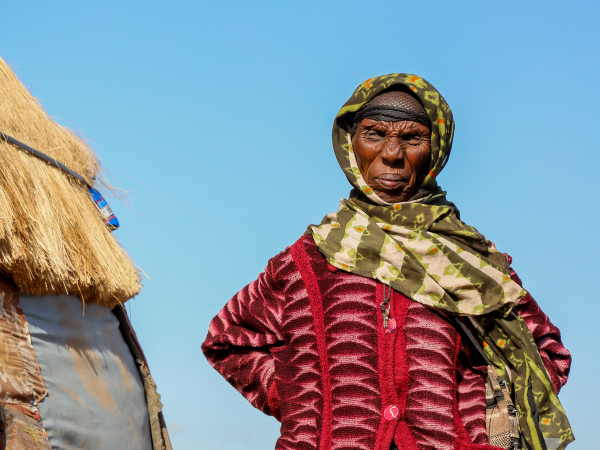
Africa is the world's most climate vulnerable continent with natural disasters altering the lives of millions of people. Unpredictable weather patterns, recurrent droughts, floods and locust invasions contribute to severe crop and livestock losses for communities in Kenya, leading to famine, displacement, and other threats to human health and wellbeing. In Northern Kenya, communities rely on livestock herding to feed their families. And like most parts of the world, these communities are vulnerable to climate change. Failed rains and droughts continue to ruthlessly devastate human livelihoods because domestic animals such as cows, goats and camels do not have enough pasture to feed on. Consequently, food prices shoot upwards.
Climate resilience refers to a community's capacity to gauge and contend with the impacts of climate change such as livestock deaths and income losses. The resilience in remote areas of Northern Kenya is significantly low such that people struggle through a hunger crisis most years, let alone during a drought year. There is a clear void to be filled to empower communities to take action to reduce the vulnerability of these impacts of climate change. To build climate resilience, we must look at innovative avenues to ensure access to water, embrace indigenous knowledge systems that work to safeguard rangelands from overgrazing, ensure access to livestock markets, build climate resilience and creative adaptation interventions.
Access to Healthcare
Did you know that less than half of Africa's population (52%) – some 615 million people – have access to the healthcare they need? The picture is not any different when you narrow down to Kenya. Many families are forced into poverty every year because of massive medical bills. Access to a reliable supply of safe, effective and high-quality medicines across Northern Kenya is a major obstacle to achieving universal health care. To change this, we suppor vulnerable communities with financial resources to reduce the pressure on families.
The reality of life amongst most of these marginalised ppulations is that they are nomads who keep moving from place to place in search of water and pasture for their livestock. To address this challenge, our approach works to bring mobile healthcare clinics to the people working in close partnership with local leaders to understand the most pressing medical needs such as medicines, transport to hospitals and availability of anti-venoms to tackle the high cases of poisonous snake bites.